
Digging Deeper: Parks, Power and the Justice Work of Volunteer Engagement
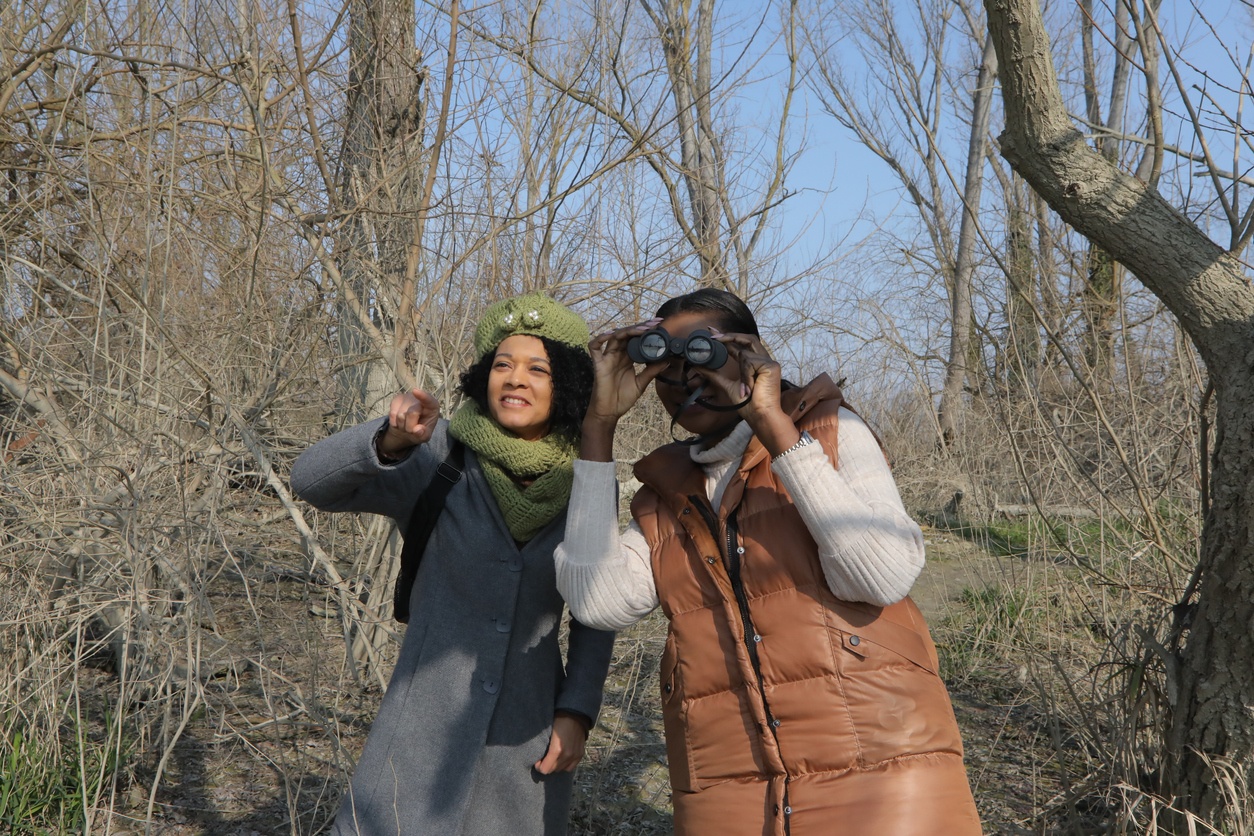
In conversations about volunteerism and community care, environmental work often gets left out of the narrative. Granted, we hear about community care and justice for volunteers in human services like food pantries, senior companionship and youth development. But what about the volunteers tending gardens, preserving land, protecting ecosystems and caring for the spaces that sustain us all? What responsibility do Leaders of Volunteers have to engage in these spaces as well? What about the deep work of recognizing that environmental stewardship is itself a justice issue, rooted in ancestral knowledge, community ownership and the resistance to displacement and disinvestment?
In this Voices, editor Breauna Dorelus asks these questions to Stephanie Caban, North Park Outreach Coordinator at Riverside Park Conservancy in New York. Caban's answers reveal her professional and personal journeys, what her ancestry means to her and her take on how conservancy and justice work should also center community care. Dorelus also shares some personal reflections to help connect Caban's journeying to the broader Volunteer Engagement field.
Stephanie Camacho/ PLN/ Puerto Rico
Thu, 03/12/2026Me encantó la historia, siendo boricua y trabajando en la naturaleza me sentí identificada con la sensación de paz y armonía que la tierra nos transmite, y poder enseñarles a los voluntarios cuidar su espacio es muy gratificante. Sigue adelante con lo que haces!